2008–2016
Mailchimp
As Mailchimp’s fourth employee, I helped grow a scrappy email tool into an industry-leading SaaS platform — 15 million customers, $750M+ ARR, and a $12 billion acquisition by Intuit. Along the way, I shaped company strategy and built a design practice that became a benchmark for the SaaS industry.
By the numbers
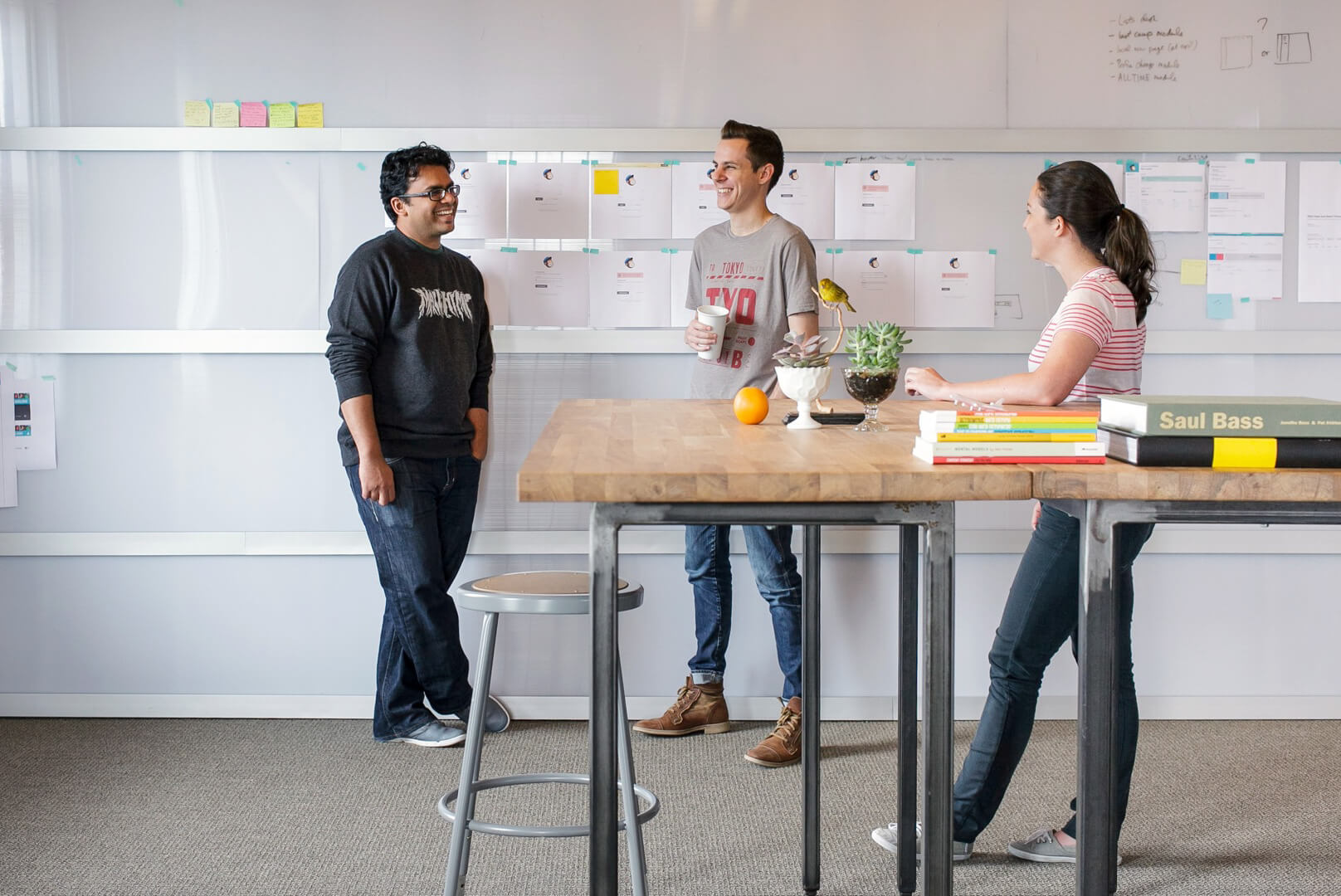
The years I spent at Mailchimp were magical, challenging, formative and unlike any other work experience I’ve had. We experienced hyper-growth and creative freedom simultaneously. That’s rare. We shipped one of the first design systems, wrote a voice and tone guide that became a reference for the whole industry, and pioneered emotional design in software when most teams were still optimizing for clicks. The talent across design, research, and engineering was extraordinary — and it showed. A scrappy underdog became the leader of its category, and the practices we worked out together quietly shaped how software design is done today.
Awards & Recognition
- 2011
- .Net Mag Redesign of the Year
- 2013
- .Net Mag Redesign of the Year
- 2013
- Good Design Awards
- 2015
- Webby Awards
- 2016
- Communication Arts Annual
- 2016
- AIA Regional Design Awards
- 2017
- 3× Gold One Show Pencils
- 2017
- Cannes Grand Prix Lion
“Aarron was an exceptional people manager and leader for our product team. Everyone relied on Aarron to be our signal in a sea of noise — for every day he brought a wellspring of perspective and insight to our projects. Aarron is quite simply one of the most brilliant, empathetic people I’ve ever had the pleasure of working with.”
 Todd DomineySenior Director of Design, Mailchimp
“From a front row seat, I’ve seen how Aarron’s love of teaching and storytelling gains organizational support for projects and ideas large and small. He has a rare combination of solid research chops, killer design skills, and a gift for communication. There’s no better UX pro out there.”
 Gregg BernsteinResearch Manager, Mailchimp
Case Study · 2010
Design System
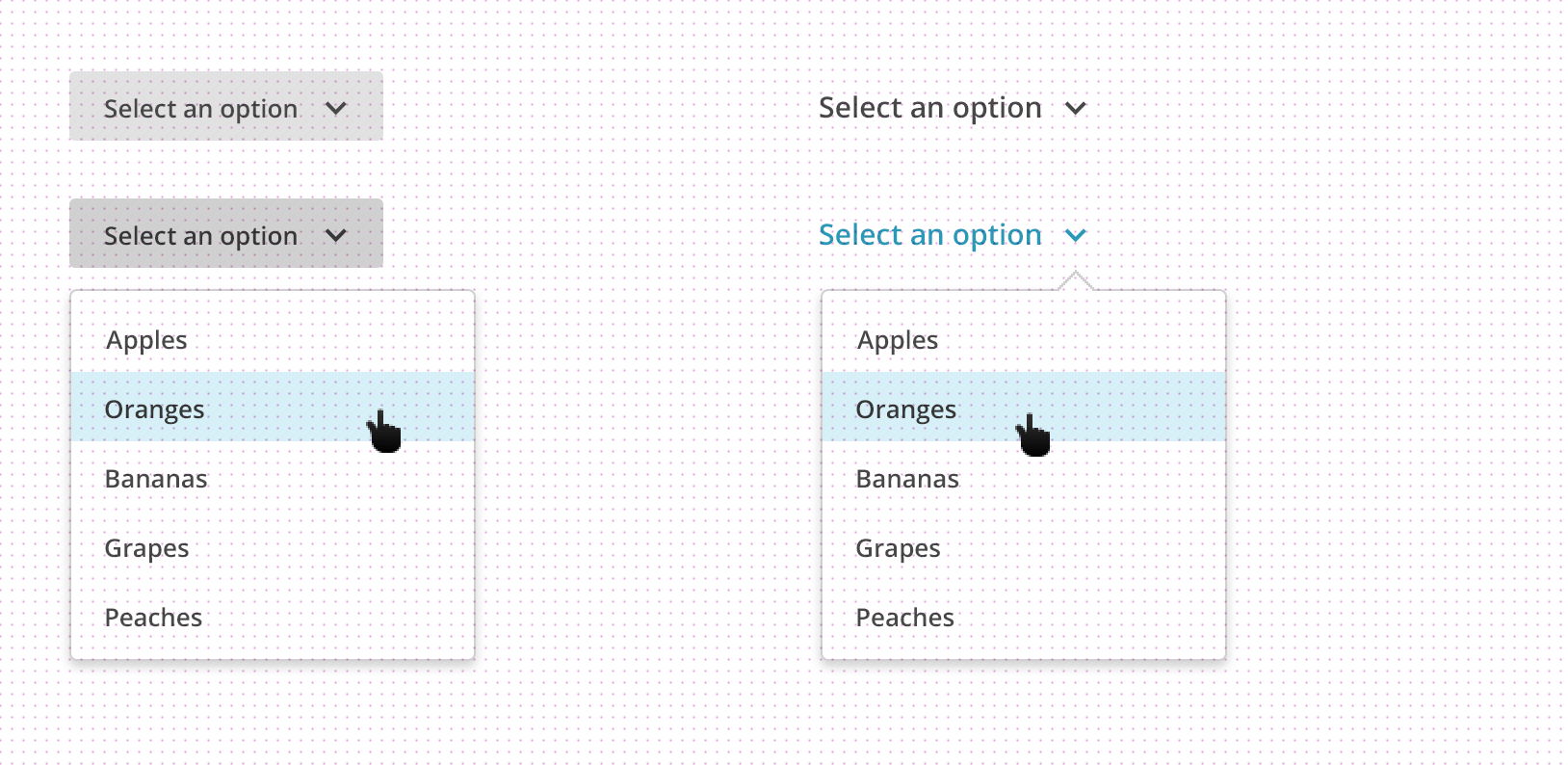
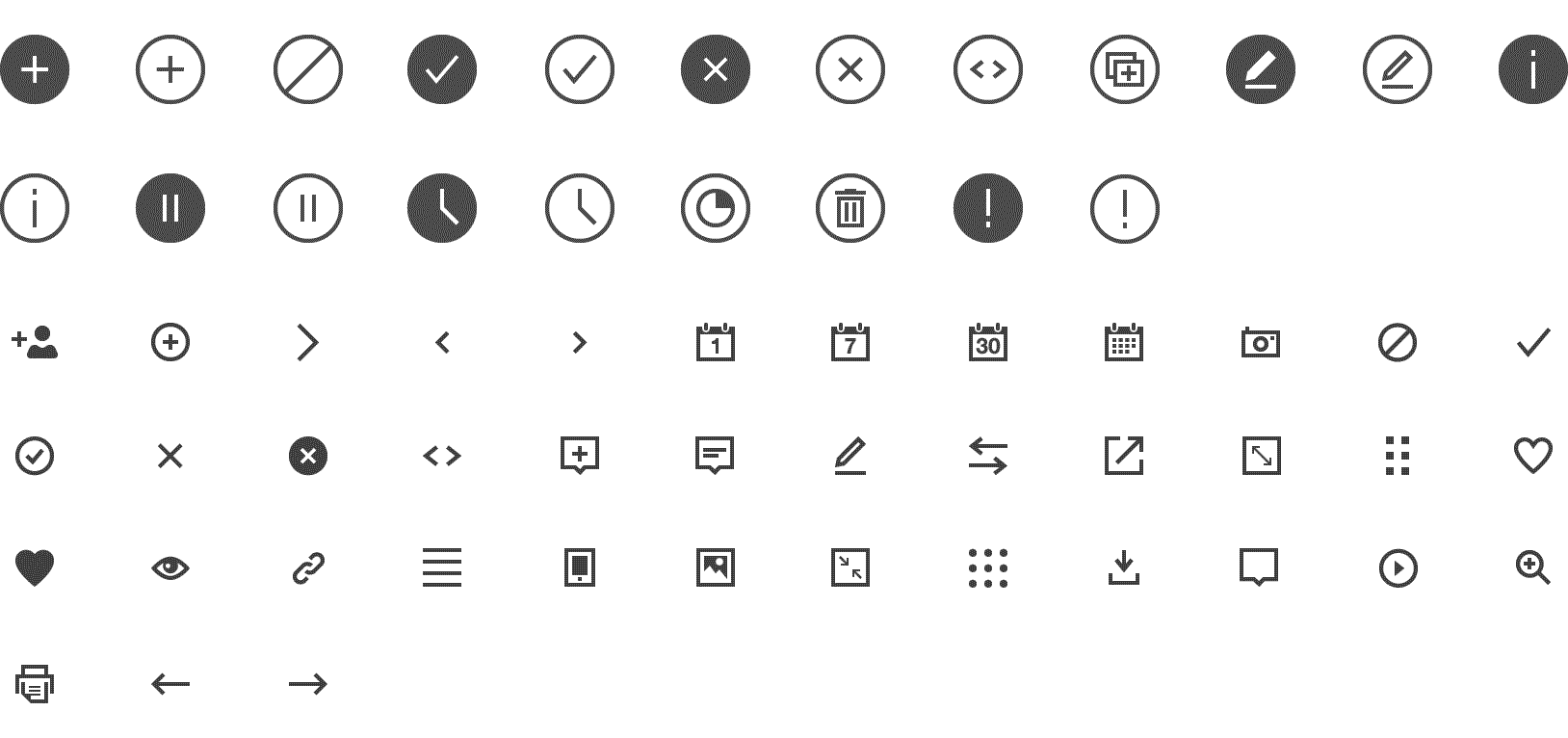
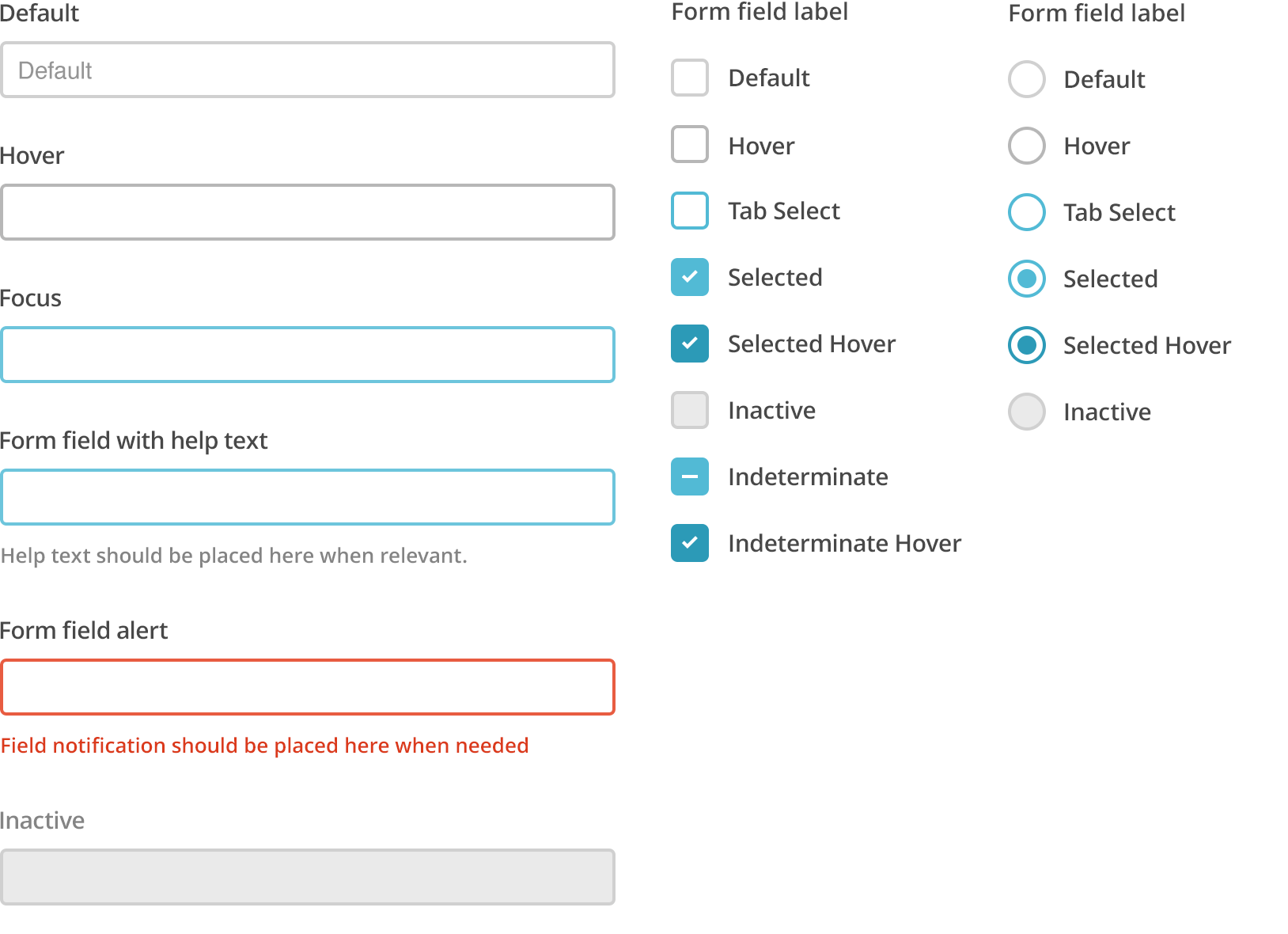
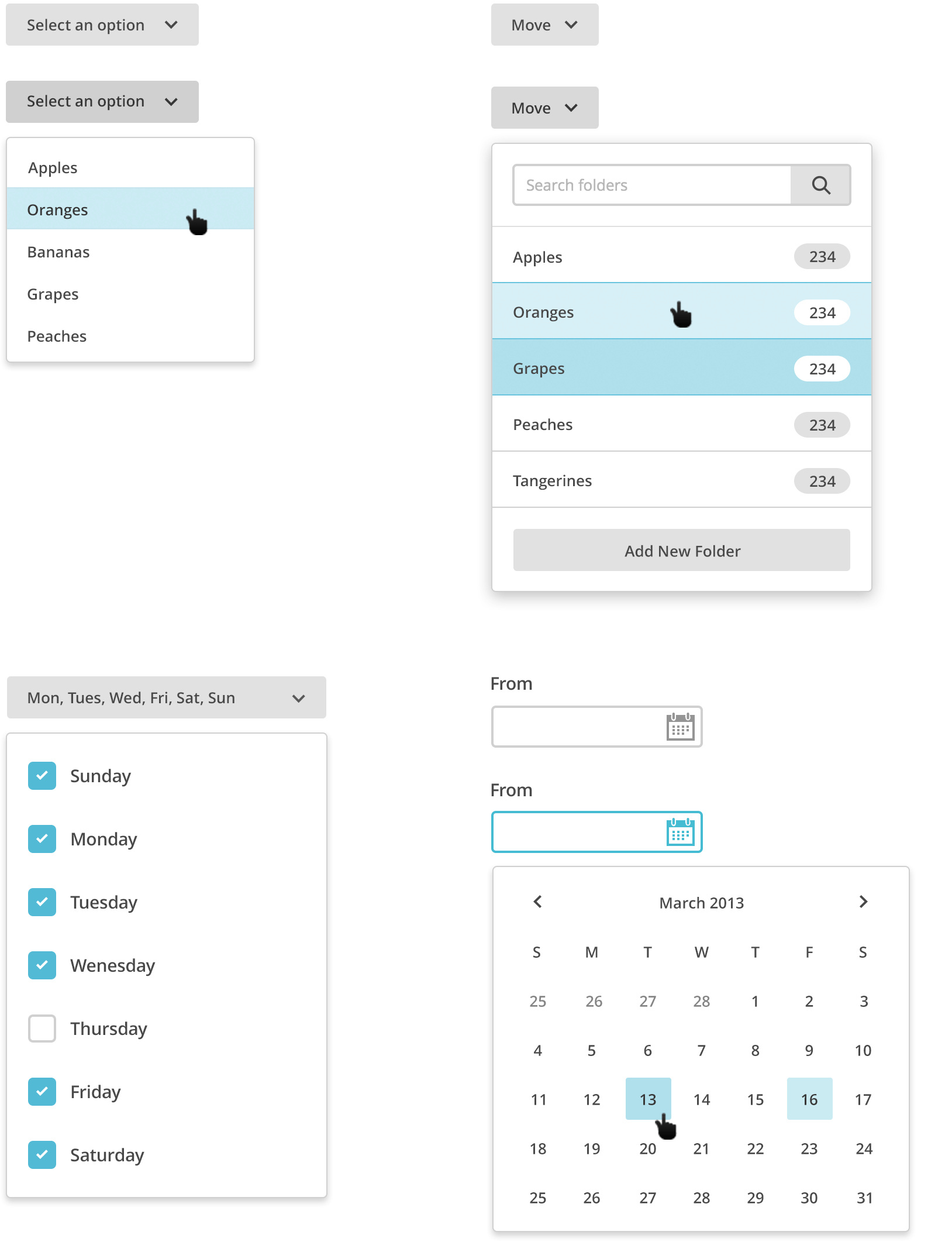
We built one of the earliest design systems on the web and published it openly to spark a deeper conversation in the design community — back then, the practice barely had a name. It became a foundational reference as the field took shape.
The system pulled together components for layout, forms, icons, menus, and data tables, giving the team a shared foundation to build on as the product grew more complex.
Case Study · 2012
User Personas
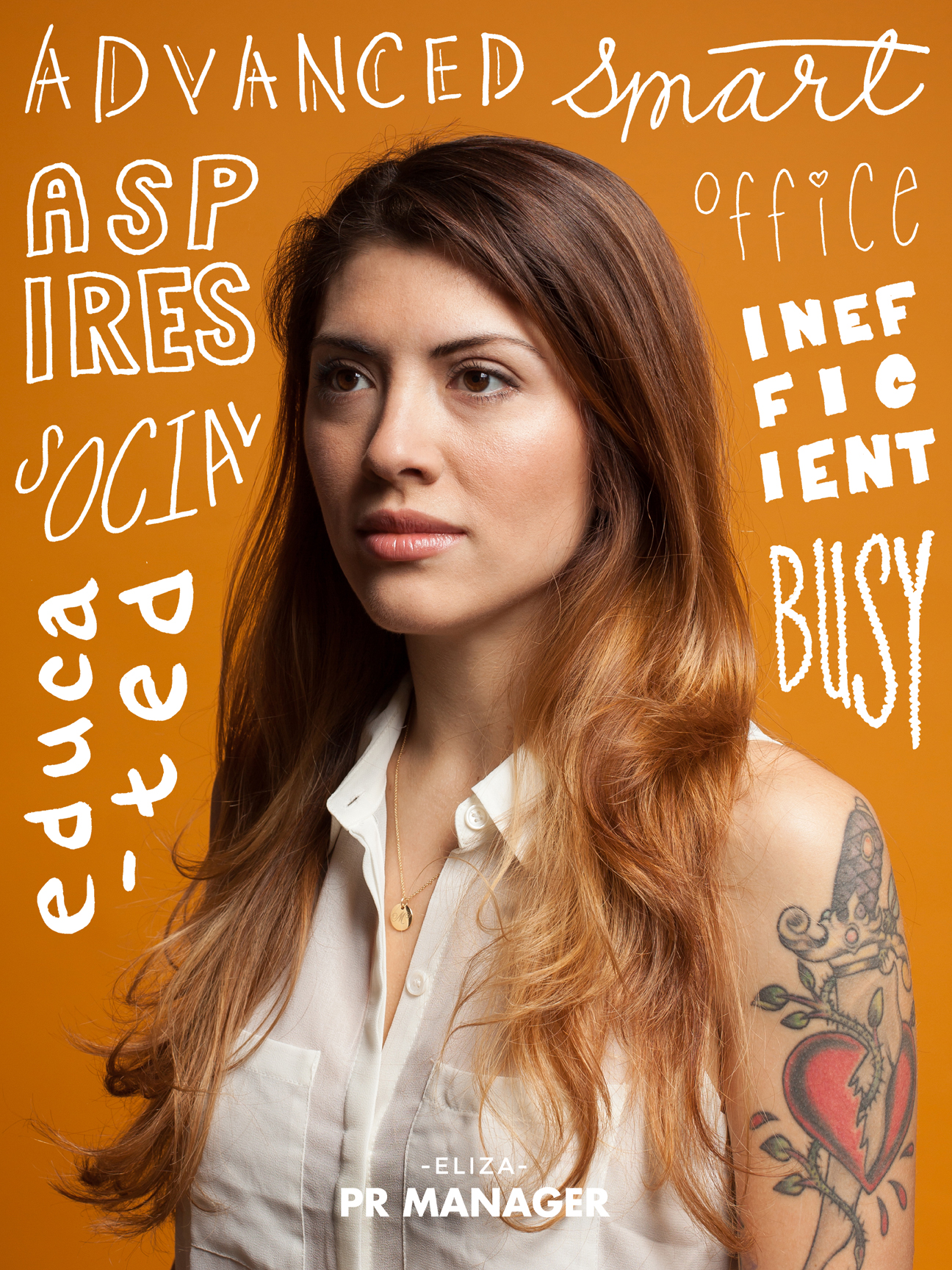
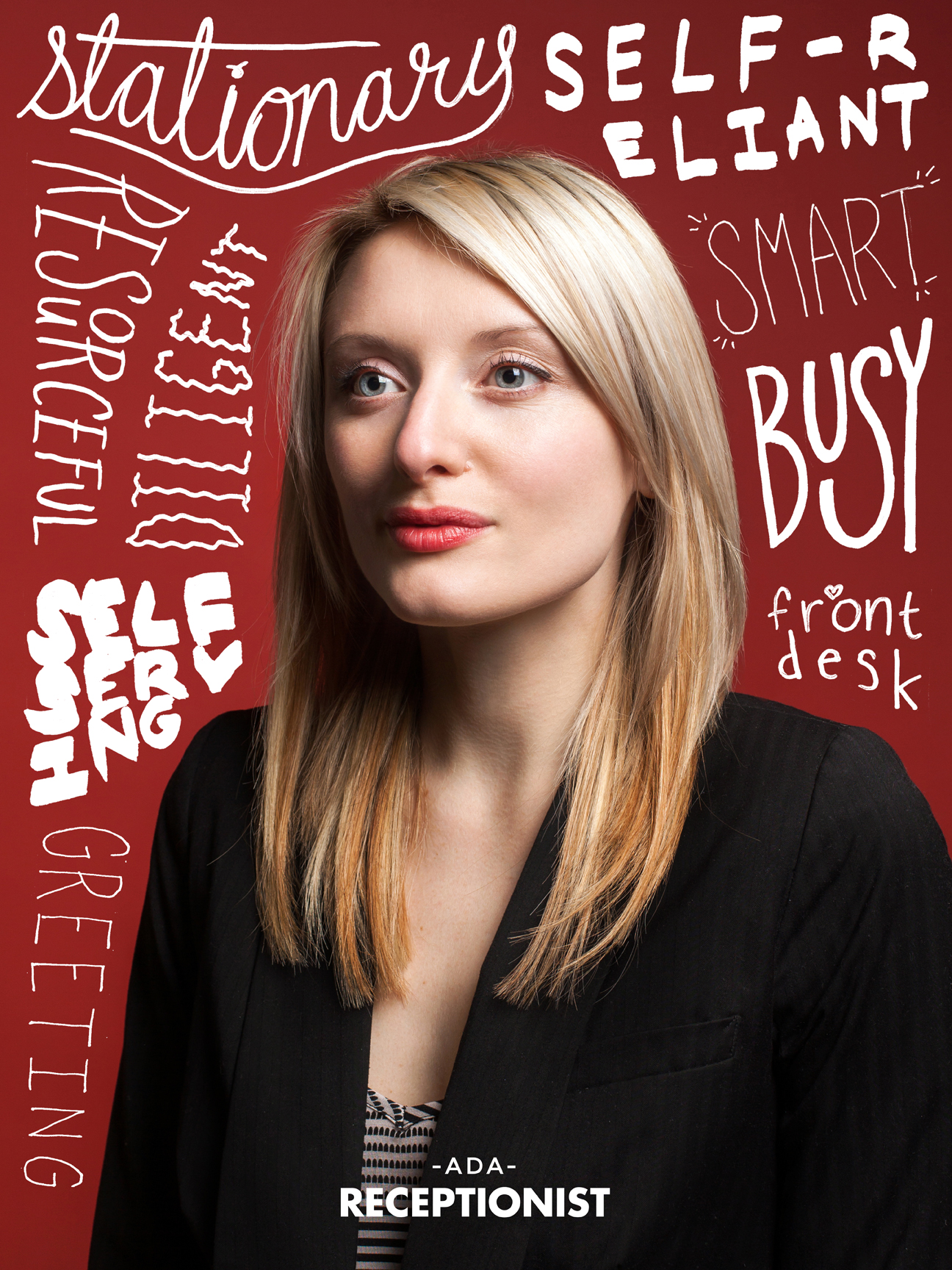
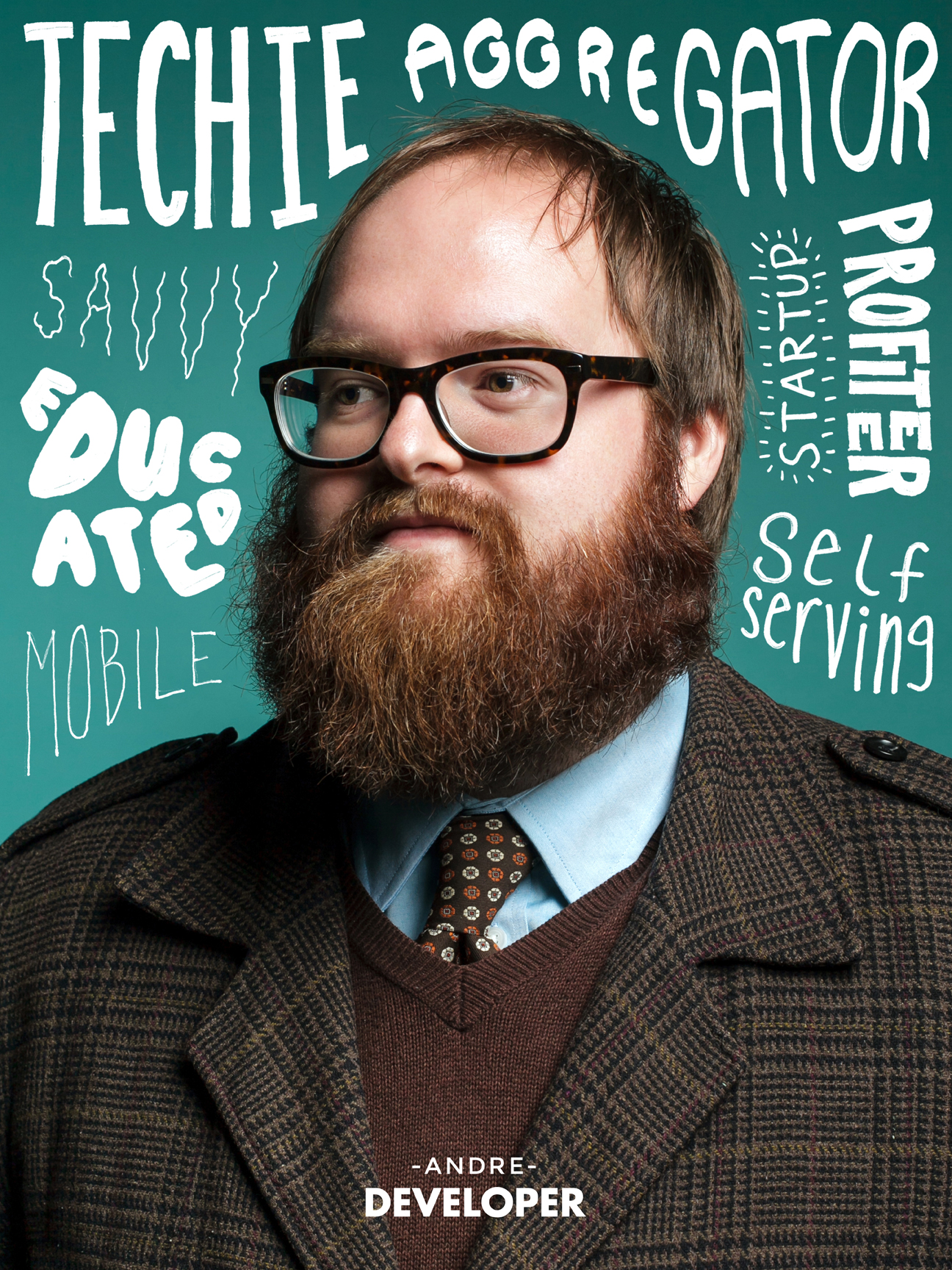
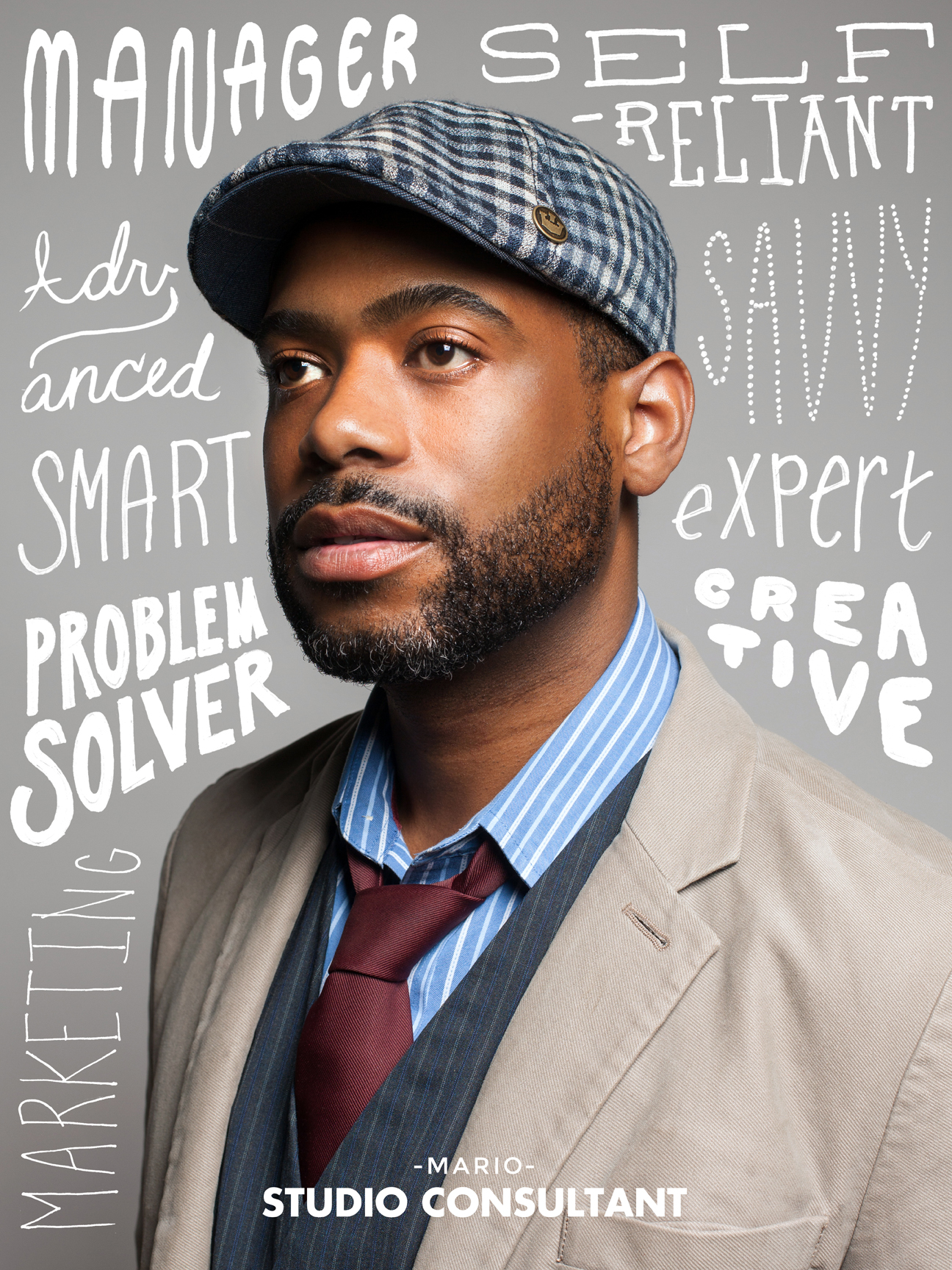
As the product strategy shifted, we needed a sharper picture of who we were designing for. Our research team ran a study and built out personas for the people behind the work — a PR Manager, Receptionist, Developer, and Studio Consultant. We blew up the findings into posters and hung them by the espresso machine at HQ — a daily reminder that real people sit behind every design decision.
Case Study · 2015
Gemini, Multi-User Email
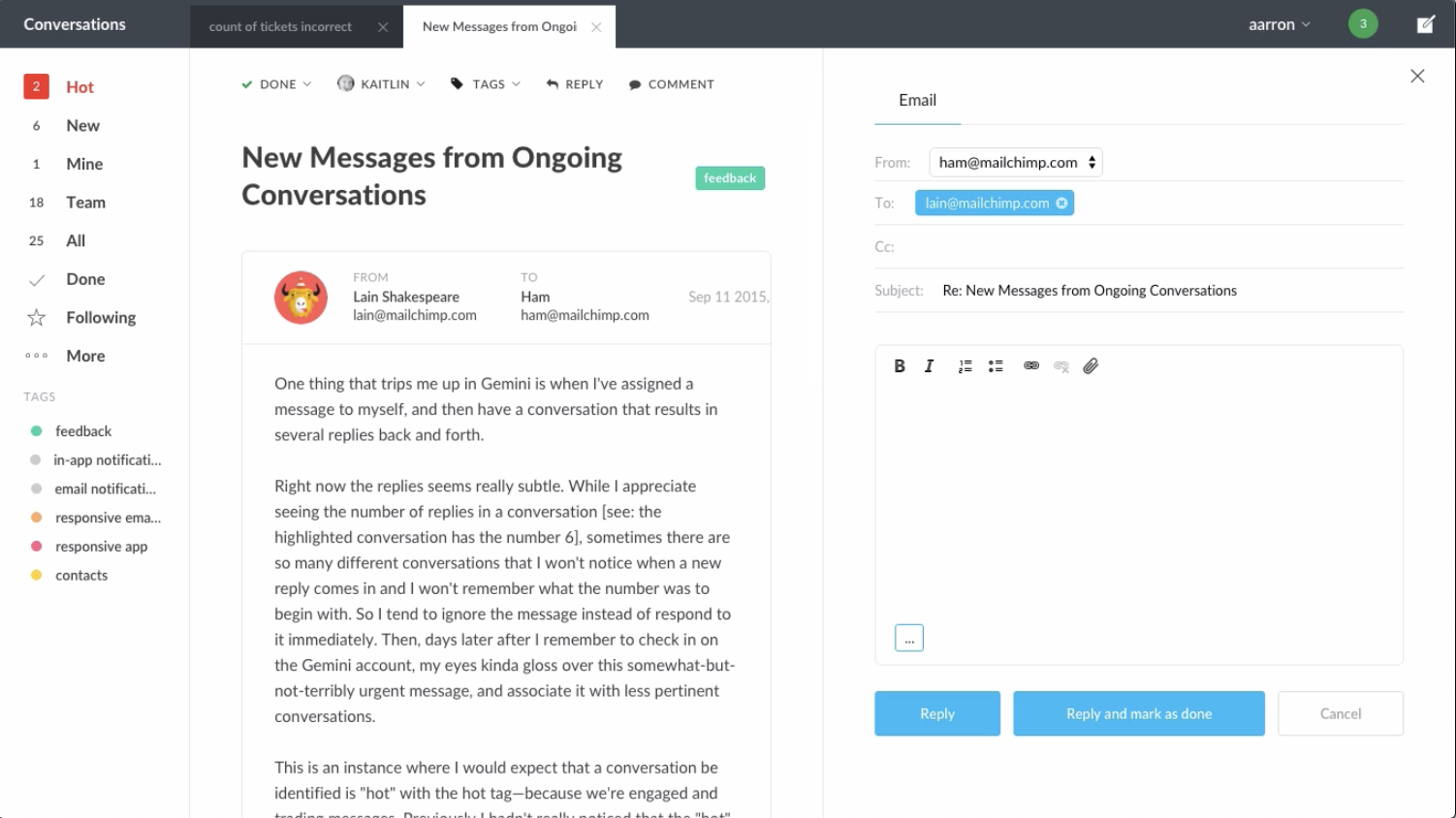
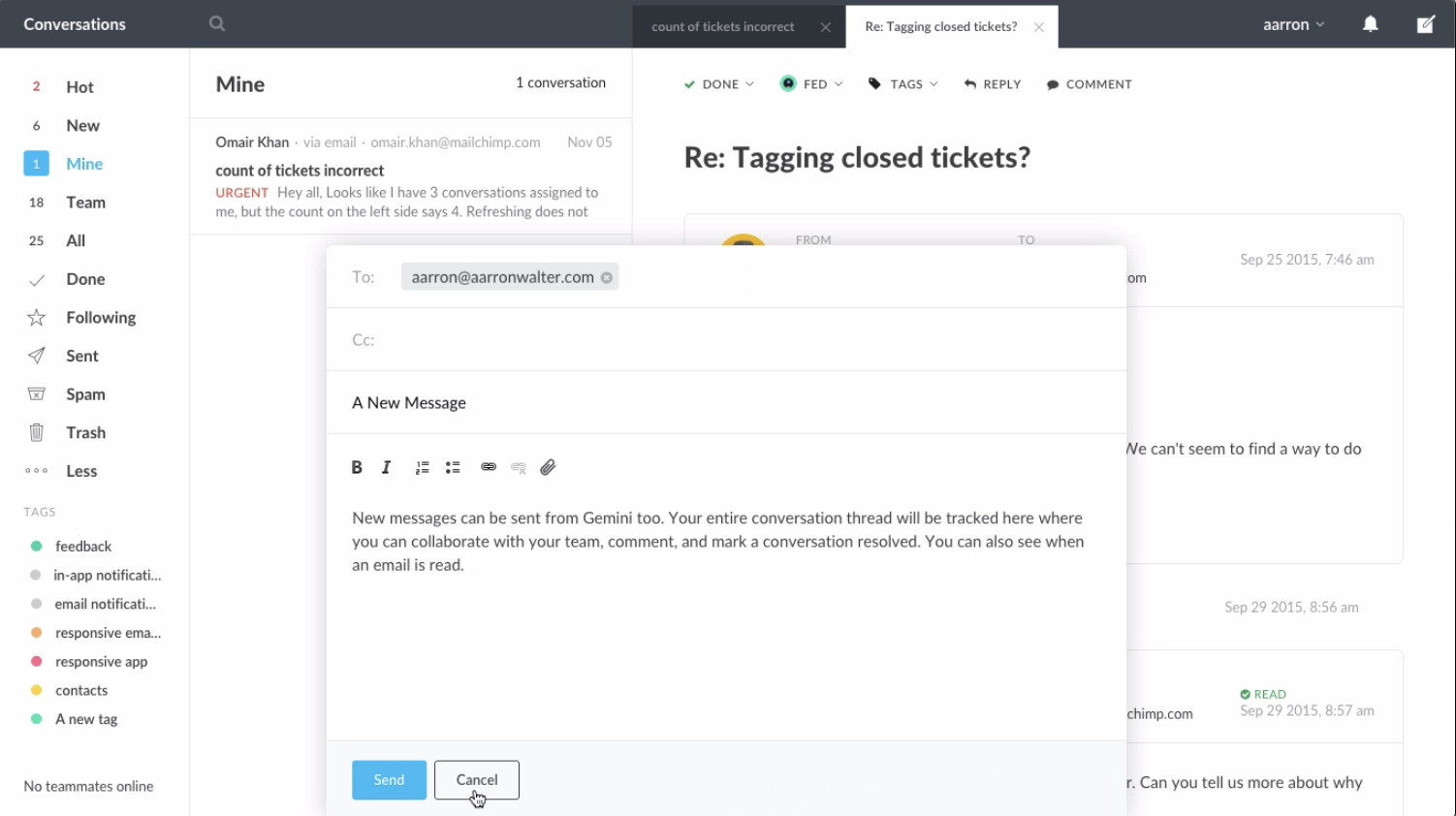
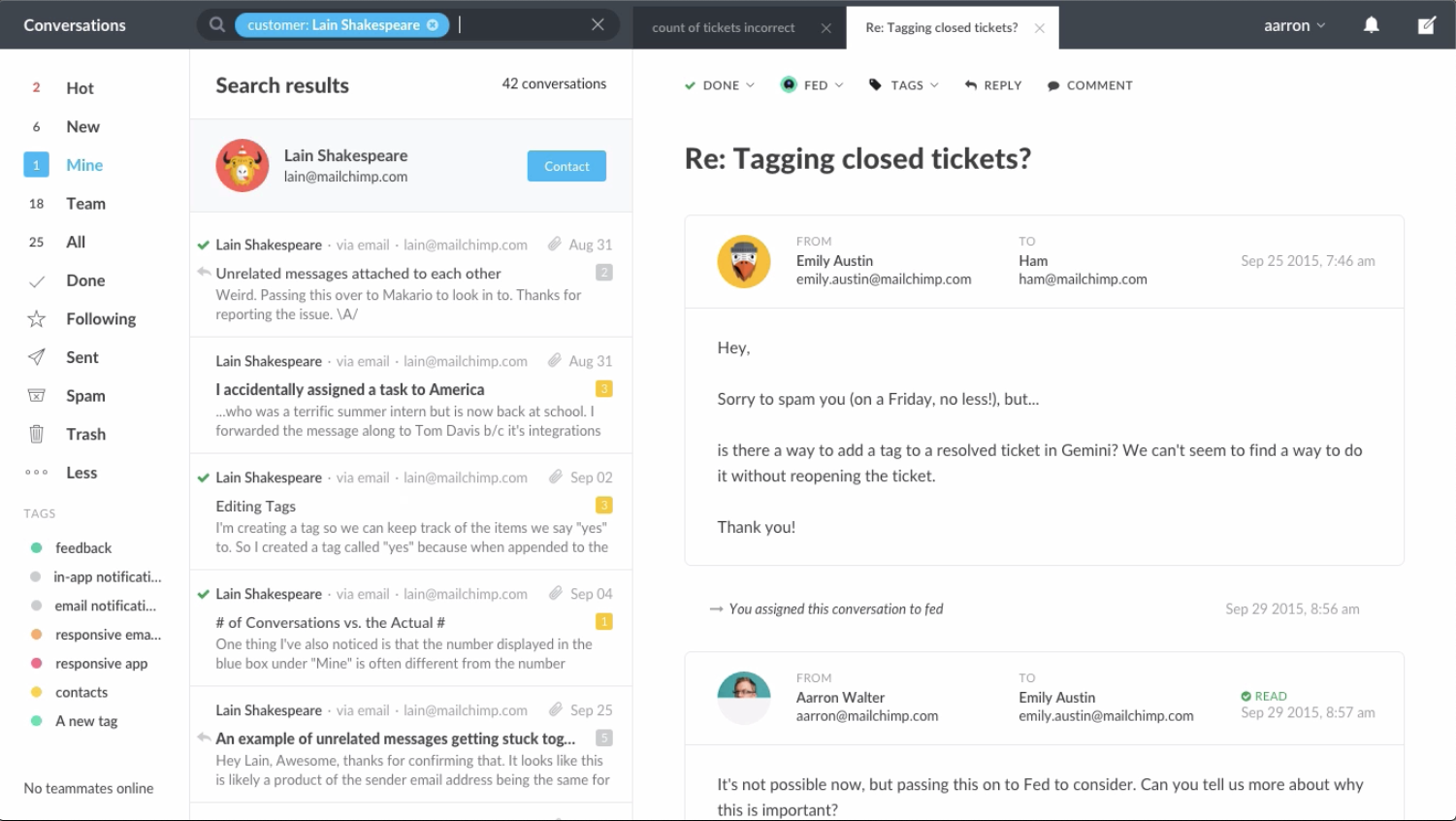
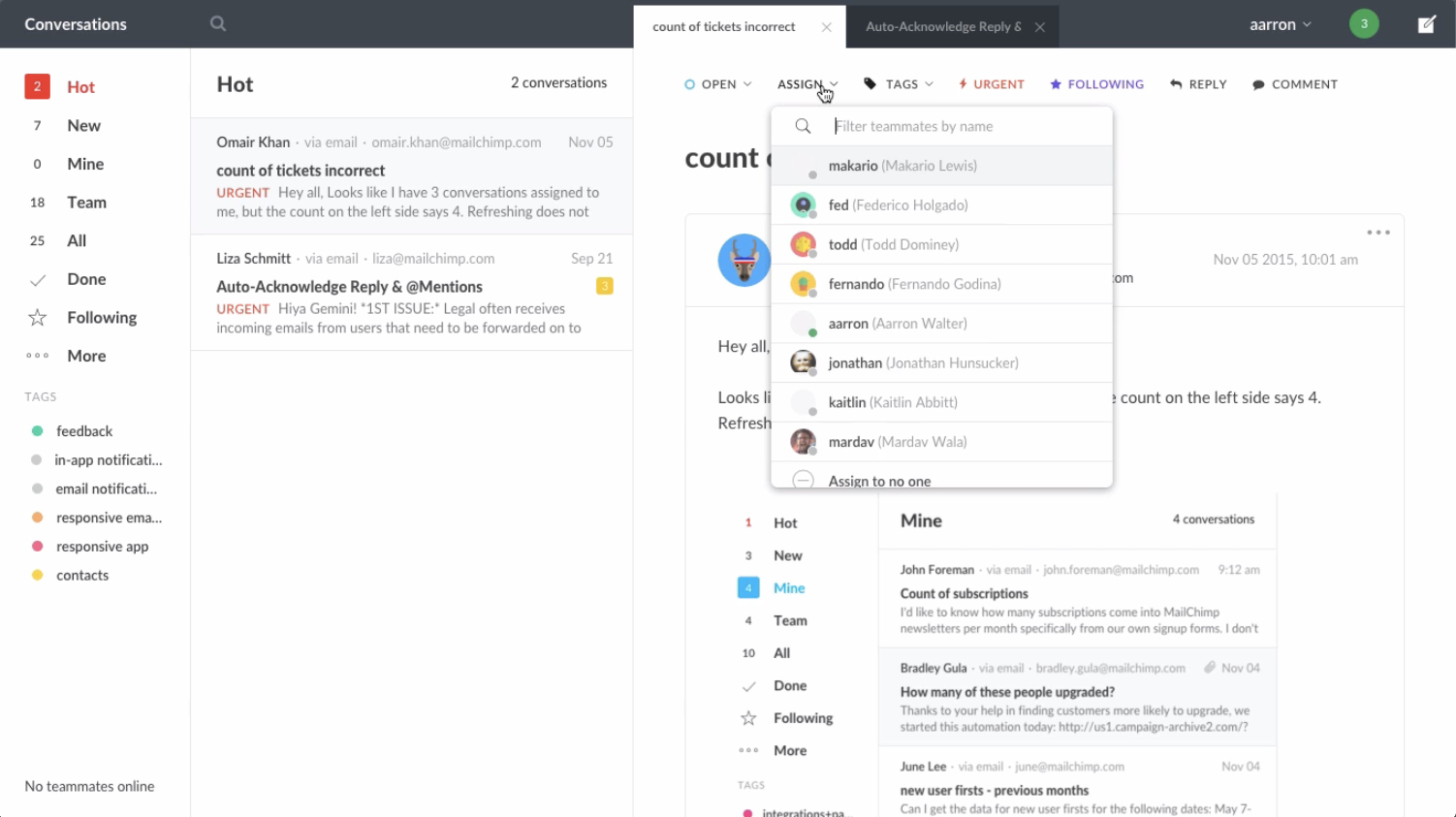
We assembled a team of designers, developers, and researchers and took a vague idea to a market-ready product in under a year. The app let teams pull multiple email and social accounts into one place, assign messages, add notes, tag, escalate, and follow conversation threads. It eventually became Mailchimp Inbox.
Case Study · 2013
The Big Redesign
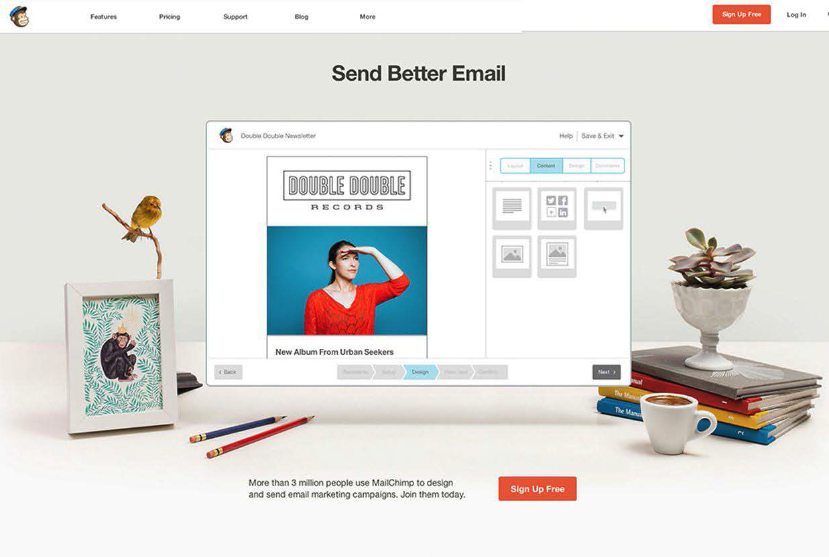
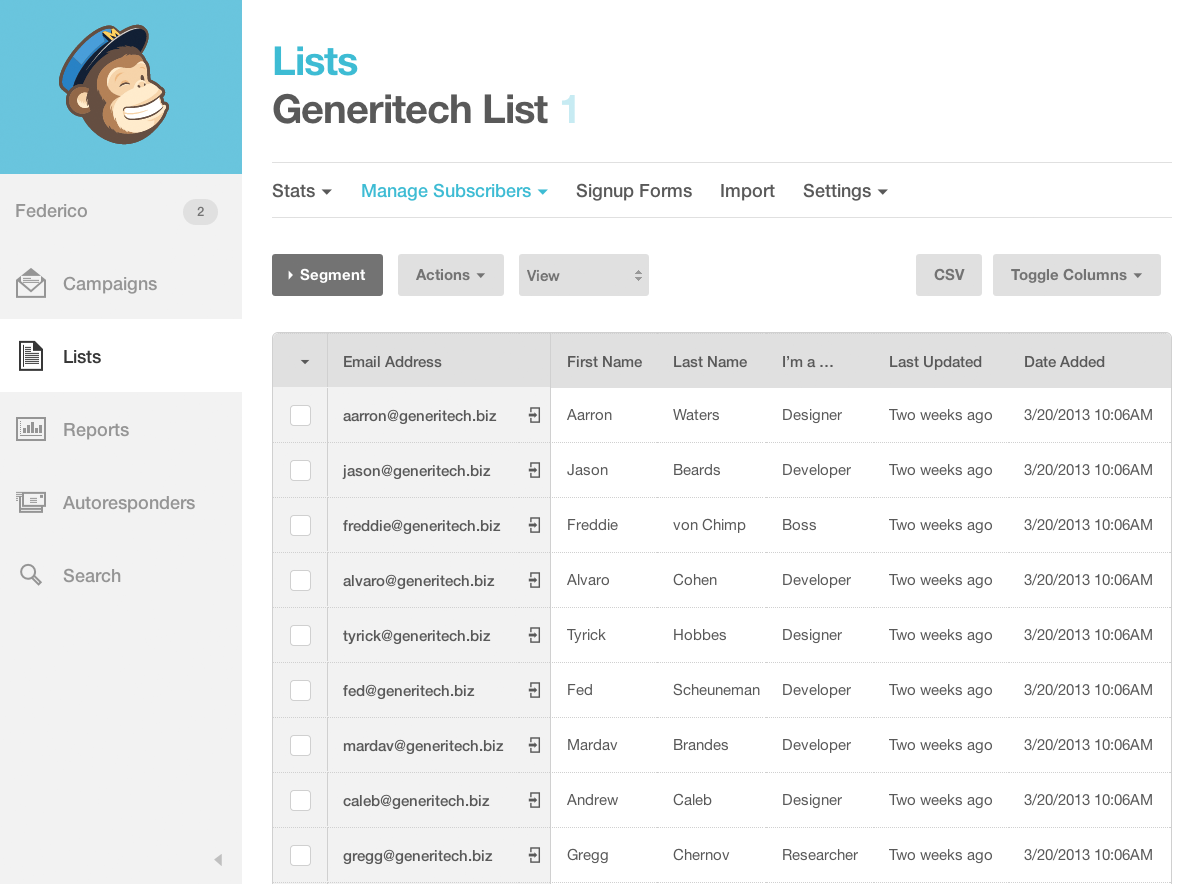
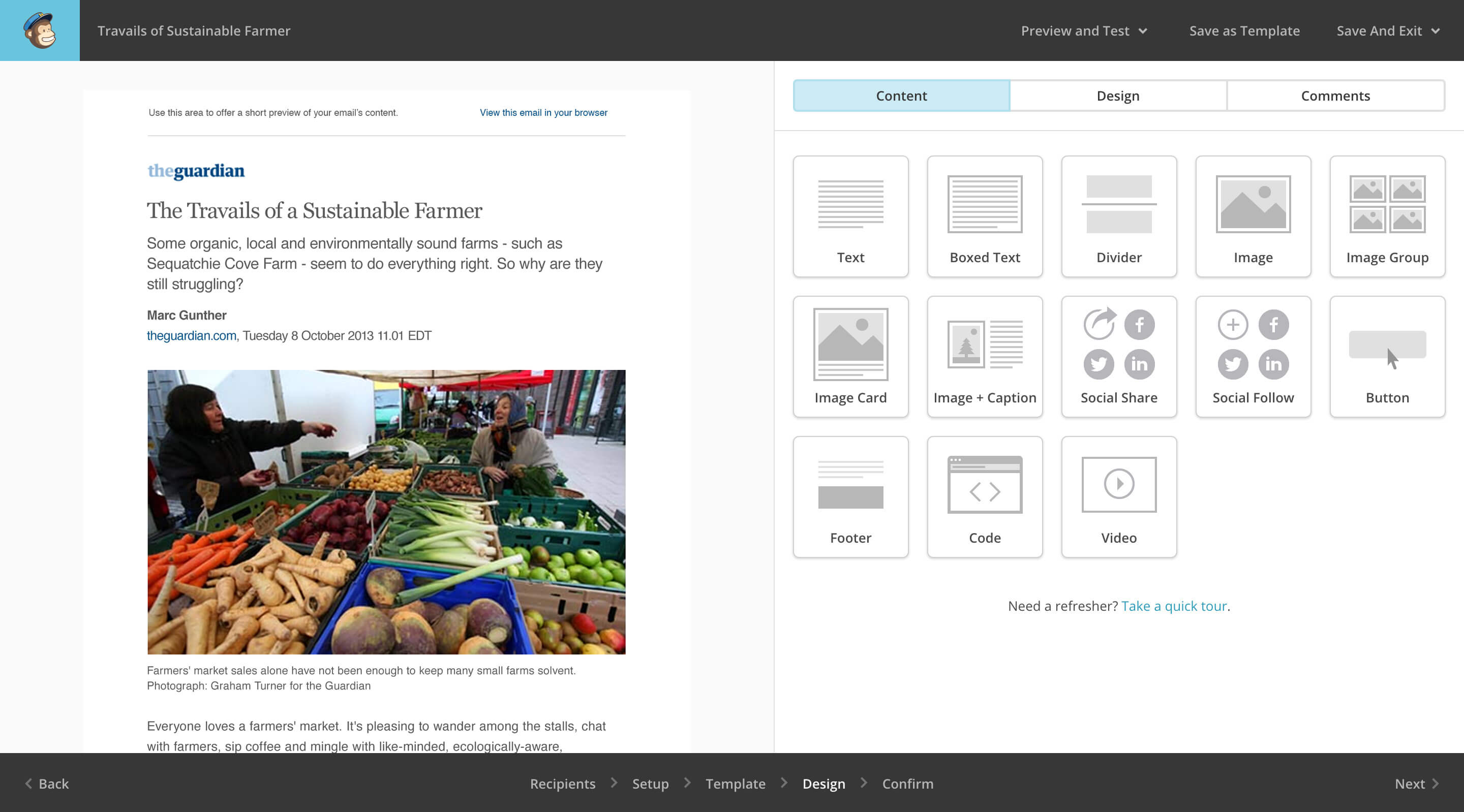
As mobile became the default, we rethought Mailchimp from the ground up. Deep research into how people actually worked — across devices, locations, and teams — shaped a full redesign of the web app, marketing site, and a new set of native mobile apps. The work won multiple awards and set a new bar for SaaS design.
Case Study · 2013
The High Five Moment
We recognized the emotional journey of sending an email campaign: anxiety leading up to it, then joy when it reaches thousands of inboxes. So we designed a celebration moment — a high five — that acknowledged the accomplishment.
Tens of thousands of customers shared the experience on social media. The feature was cited in design publications and conferences worldwide as a defining example of emotional design in software.
Case Study · 2011
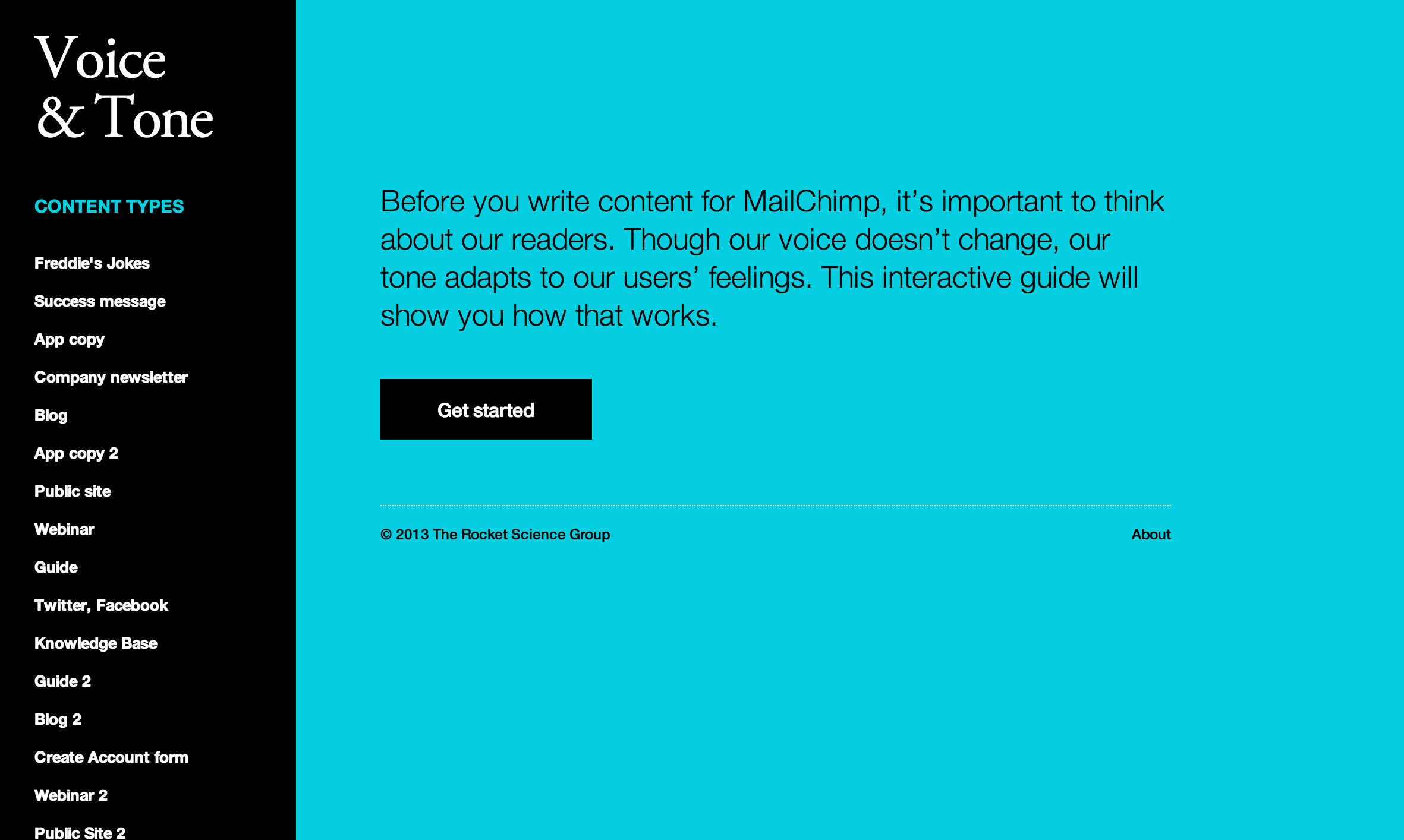
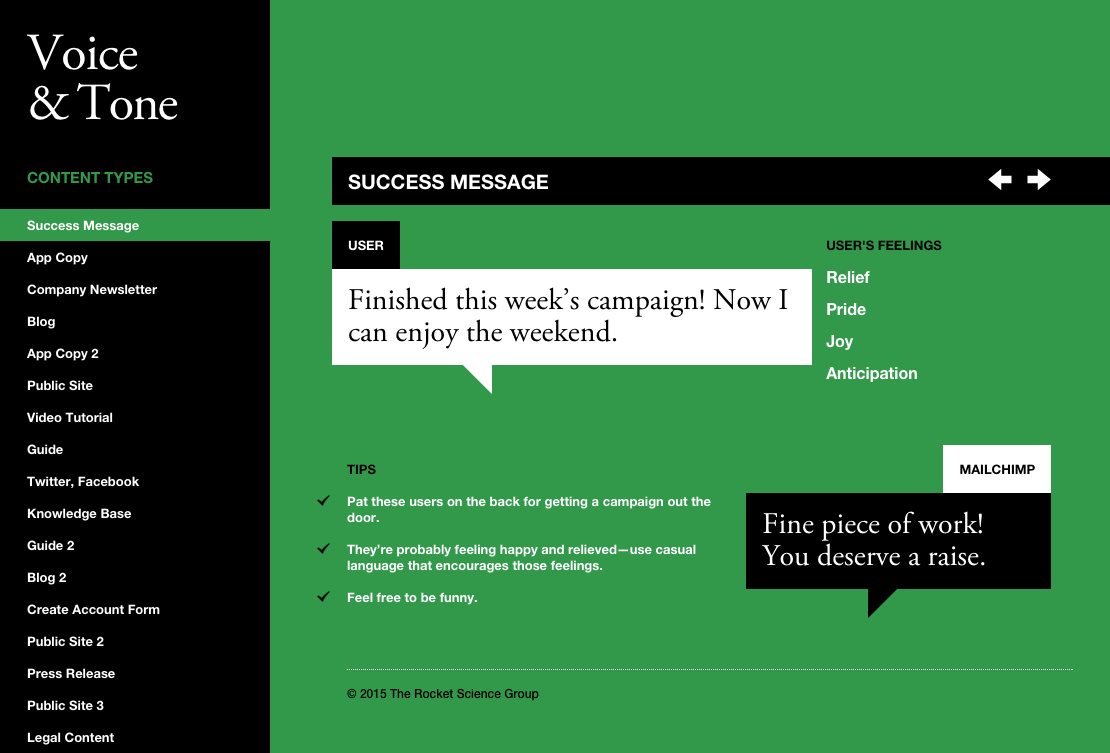
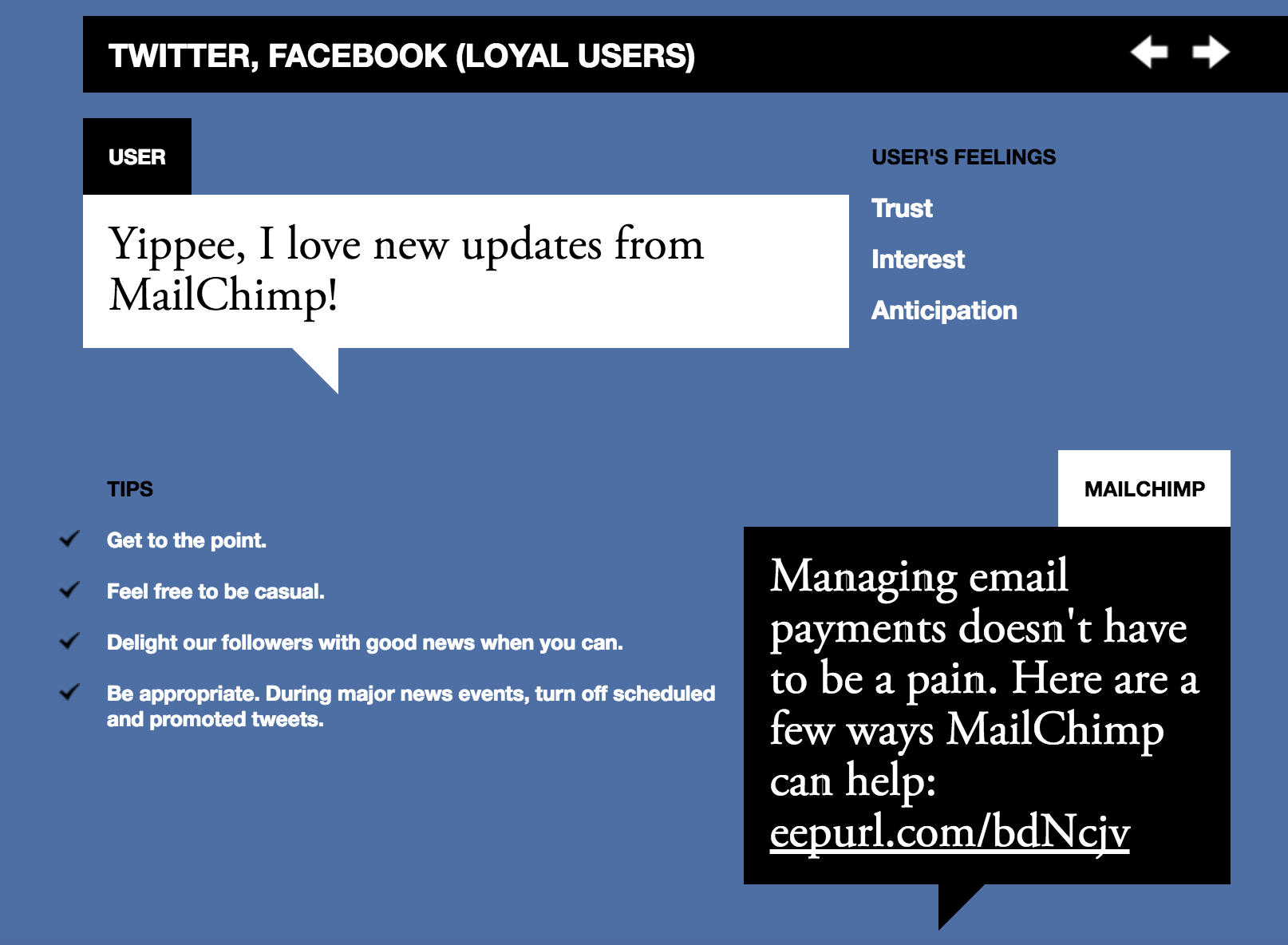
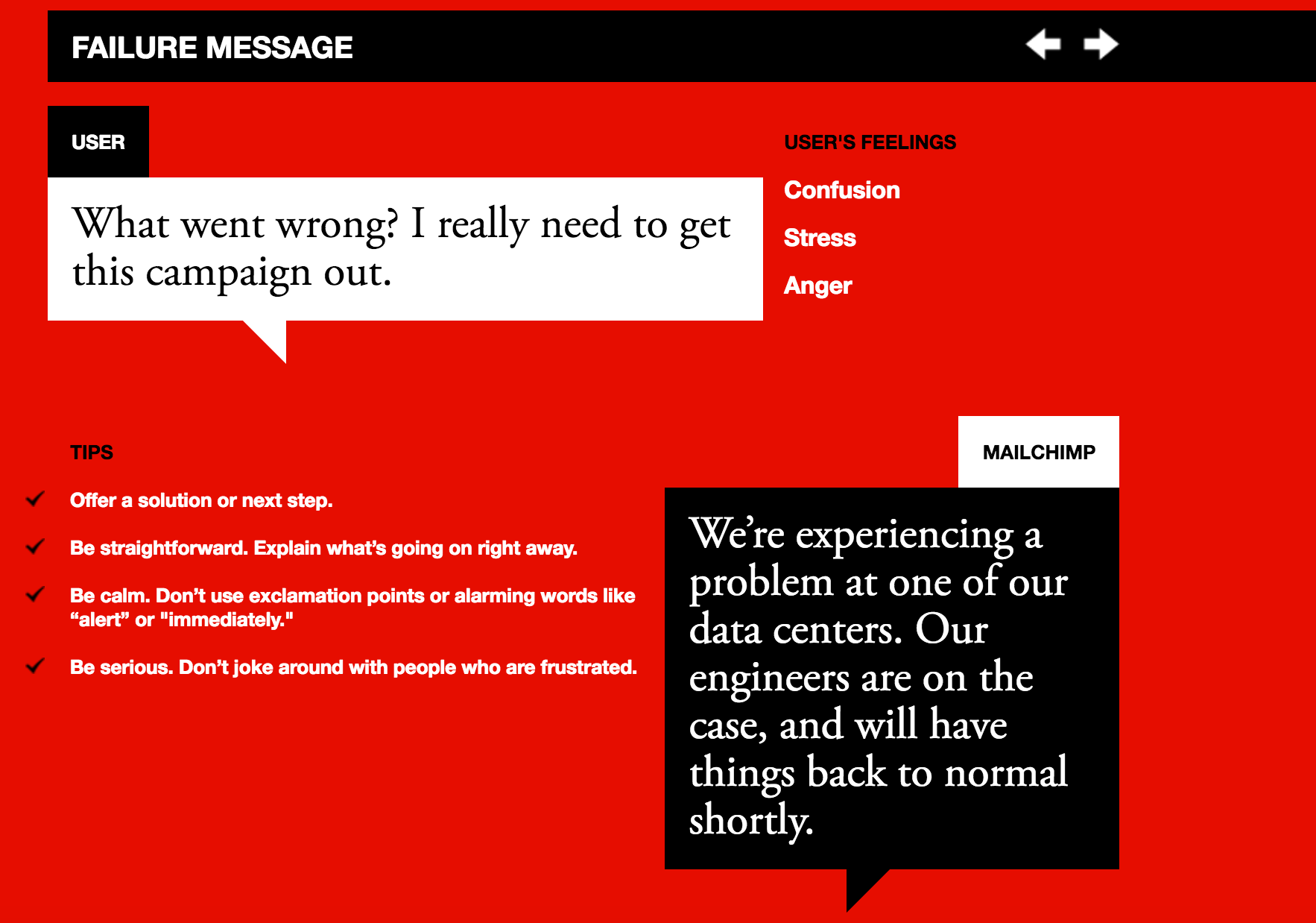
Voice & Tone Guide
As Mailchimp grew, keeping a unified writing voice across teams and platforms became critical. Kate Kiefer Lee was the driver and the magic behind this work — she shaped what became one of the first voice and tone guides in software, pairing a standard brand voice with tone variations for different emotional contexts. I contributed early thinking on aligning tone to user emotion and how the site itself could carry those ideas into the design. The guide inspired teams at dozens of companies and was cited at conferences and in publications for years after.